Navigating the Legal Landscape of DJ Music in Africa
Category : | Sub Category : Posted on 2024-09-07 22:25:23
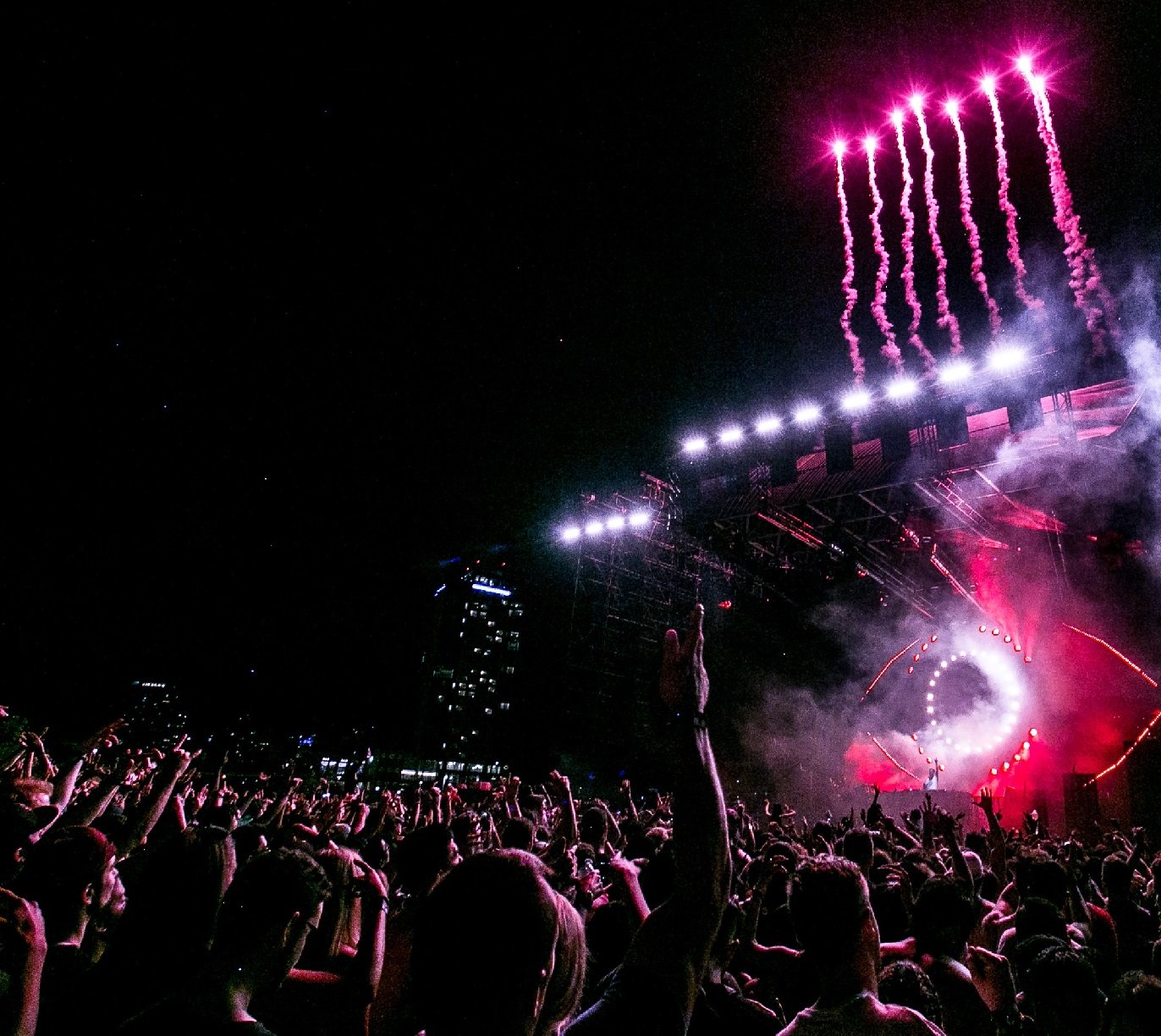
music has always been a highly influential and cherished aspect of African culture. From traditional rhythms to contemporary music trends, the continent boasts a vibrant and diverse music scene that resonates with people around the world. In recent years, the electronic music genre, including DJ music, has seen a meteoric rise in popularity across Africa. DJs are mesmerizing crowds with their unique beats and mixes, creating unforgettable experiences at clubs, festivals, and events. However, with this growth in the DJ music industry comes a need to understand the legal aspects and regulations that govern this dynamic sector. Like any other industry, the DJ music scene in Africa is subject to laws and regulations that aim to protect the rights of music creators, performers, and other stakeholders. Intellectual property laws play a crucial role in safeguarding the rights of artists and producers involved in creating and distributing music. Copyright laws, in particular, are essential for ensuring that DJs and music producers are fairly compensated for their work. One of the primary challenges facing DJs in Africa is the unauthorized use of copyrighted music in their sets. While DJs often remix and mix existing tracks to create their own unique sound, they must be mindful of copyright laws and obtain the necessary licenses for the music they use. Performing copyrighted music without permission can lead to legal consequences, including hefty fines and potential lawsuits. Another aspect of the legal landscape of DJ music in Africa pertains to performance rights organizations (PROs). PROs play a vital role in collecting royalties on behalf of music creators and ensuring that they are properly compensated when their music is played in public. DJs who perform at clubs, events, and other venues where music is played are typically required to obtain licenses from PROs to ensure that the creators receive their fair share of royalties. Furthermore, contracts and agreements are essential tools for DJs to protect their interests and clarify their relationships with event organizers, record labels, and other industry players. Clear and comprehensive contracts can help prevent misunderstandings and disputes, ensuring that all parties involved are on the same page regarding the terms of collaboration and the distribution of royalties. In conclusion, the legal landscape of DJ music in Africa is a dynamic and evolving field that requires DJs to stay informed and compliant with relevant laws and regulations. By understanding and adhering to intellectual property laws, obtaining necessary licenses, working with PROs, and crafting solid contracts, DJs can navigate the legal challenges of the industry and continue to share their music with audiences across the continent and beyond. Ultimately, a solid legal foundation can help DJs thrive in the music industry while respecting the rights of their fellow artists and creators. For a broader perspective, don't miss https://www.mimidate.com Check the link below: https://www.keralachessyoutubers.com Have a look at https://www.cotidiano.org also for More in https://www.topico.net
https://shockrage.com
Leave a Comment:
SEARCH
Recent News
- Zurich, Switzerland is a vibrant city known for its rich cultural scene and diverse music offerings. One unique aspect of Zurich's music scene is the presence of Sudanese music, which has found a home in the city's melting pot of cultures.
- Visiting Zurich, Switzerland, can be an enriching experience for music lovers from all corners of the world. While the city may not be the first place that comes to mind when thinking about South African music, Zurich's diverse music scene offers a glimpse into the vibrant sounds of this African nation.
- Zurich, Switzerland is a vibrant city known for its stunning architecture, picturesque landscapes, and rich culture. One aspect of Zurich's cultural scene that often goes under the radar is its regional music. The city and its surrounding areas are home to a diverse range of musical styles, reflecting the multiculturalism and artistic diversity of the region.
- Zurich, Switzerland: Discovering the Vibrant Norwegian Music Scene
- Zurich, Switzerland: A Hub for Estonian Music
- YouTube Content Creation and Translation: Bringing Sudanese Music to a Global Audience
- YouTube has become a powerful platform for content creators to share their work with a global audience. One area that has seen significant growth in recent years is the creation and translation of South African music content on the platform. South Africa has a rich and diverse musical landscape, ranging from traditional to modern genres, and YouTube has provided a space for South African artists to showcase their talent to the world.
- YouTube has become a popular platform for content creators to showcase their talents to a global audience. One area of YouTube content creation that has been gaining traction is regional music. With the ability to reach viewers all around the world, YouTube offers a unique opportunity for musicians and artists to share their culture and music with a diverse audience.
READ MORE
8 months ago Category :

Zurich, Switzerland is a vibrant city known for its rich cultural scene and diverse music offerings. One unique aspect of Zurich's music scene is the presence of Sudanese music, which has found a home in the city's melting pot of cultures.
Read More →8 months ago Category :

Visiting Zurich, Switzerland, can be an enriching experience for music lovers from all corners of the world. While the city may not be the first place that comes to mind when thinking about South African music, Zurich's diverse music scene offers a glimpse into the vibrant sounds of this African nation.
Read More →8 months ago Category :

Zurich, Switzerland is a vibrant city known for its stunning architecture, picturesque landscapes, and rich culture. One aspect of Zurich's cultural scene that often goes under the radar is its regional music. The city and its surrounding areas are home to a diverse range of musical styles, reflecting the multiculturalism and artistic diversity of the region.
Read More →8 months ago Category :
