The Rise of State-Paid DJs in Africa: A New Trend in the Music Industry
Category : | Sub Category : Posted on 2024-09-07 22:25:23
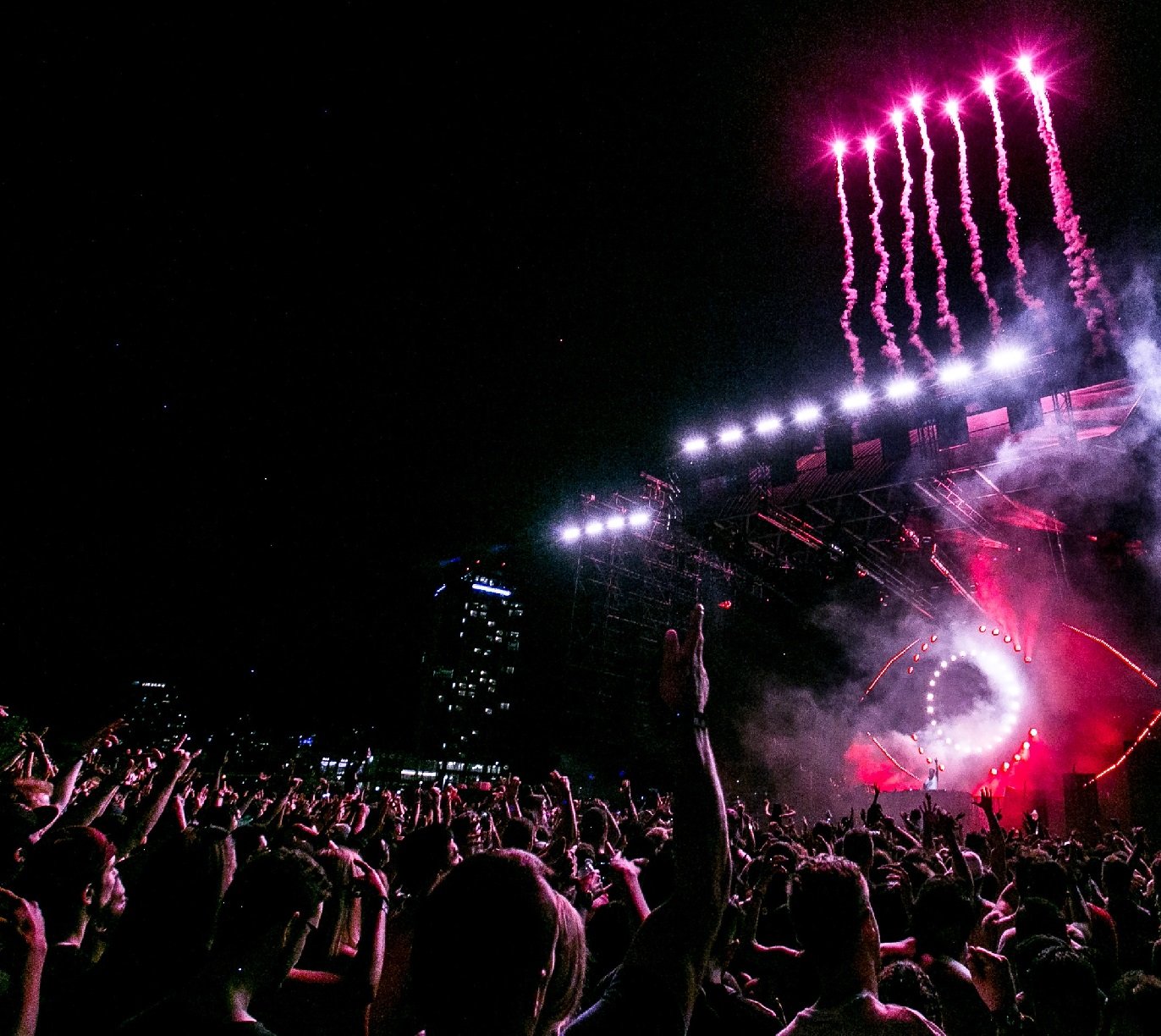
In recent years, a new trend has been emerging in the African Music scene - the phenomenon of state-paid DJs. These are DJs who are hired and paid by government bodies or state-funded institutions to perform at various events and functions. This trend represents a shift in the way African governments are supporting the music industry and bringing local talent to the forefront. One of the reasons behind this trend is the recognition of the important role that music plays in African culture and society. Music is a powerful tool for expression and communication, and it has the ability to bring people together and promote unity and understanding. By supporting DJs and musicians, governments are not only promoting the arts but also investing in the cultural development of their countries. State-paid DJs are often seen performing at official state functions, such as national holidays, cultural festivals, and government-sponsored events. They play a key role in entertaining guests and creating a vibrant and lively atmosphere. In addition, they help to showcase the rich diversity of African music and promote local talents on a global stage. Furthermore, by hiring DJs, governments are providing opportunities for young and up-and-coming artists to showcase their skills and gain exposure. This support can be a game-changer for aspiring DJs who may not have had the resources or connections to break into the music industry on their own. The rise of state-paid DJs also highlights the growing importance of music as a tool for diplomacy and soft power. By promoting local artists and cultural expressions, African governments are able to showcase the richness and diversity of their cultural heritage to the world. This can help to improve the international image of African countries and foster better relations with other nations. Overall, the trend of state-paid DJs in Africa is a positive development for the music industry and for cultural diplomacy. By supporting local talent and promoting African music on a global scale, governments are not only investing in their cultural heritage but also creating opportunities for economic growth and international collaboration. As this trend continues to grow, we can expect to see even more vibrant and dynamic music scenes emerging across the continent. also this link is for more information https://www.mimidate.com also don't miss more information at https://www.keralachessyoutubers.com For comprehensive coverage, check out https://www.cotidiano.org also for more info https://www.topico.net
https://shockrage.com
Leave a Comment:
SEARCH
Recent News
- Zurich, Switzerland is a vibrant city known for its rich cultural scene and diverse music offerings. One unique aspect of Zurich's music scene is the presence of Sudanese music, which has found a home in the city's melting pot of cultures.
- Visiting Zurich, Switzerland, can be an enriching experience for music lovers from all corners of the world. While the city may not be the first place that comes to mind when thinking about South African music, Zurich's diverse music scene offers a glimpse into the vibrant sounds of this African nation.
- Zurich, Switzerland is a vibrant city known for its stunning architecture, picturesque landscapes, and rich culture. One aspect of Zurich's cultural scene that often goes under the radar is its regional music. The city and its surrounding areas are home to a diverse range of musical styles, reflecting the multiculturalism and artistic diversity of the region.
- Zurich, Switzerland: Discovering the Vibrant Norwegian Music Scene
- Zurich, Switzerland: A Hub for Estonian Music
- YouTube Content Creation and Translation: Bringing Sudanese Music to a Global Audience
- YouTube has become a powerful platform for content creators to share their work with a global audience. One area that has seen significant growth in recent years is the creation and translation of South African music content on the platform. South Africa has a rich and diverse musical landscape, ranging from traditional to modern genres, and YouTube has provided a space for South African artists to showcase their talent to the world.
- YouTube has become a popular platform for content creators to showcase their talents to a global audience. One area of YouTube content creation that has been gaining traction is regional music. With the ability to reach viewers all around the world, YouTube offers a unique opportunity for musicians and artists to share their culture and music with a diverse audience.
READ MORE
8 months ago Category :

Zurich, Switzerland is a vibrant city known for its rich cultural scene and diverse music offerings. One unique aspect of Zurich's music scene is the presence of Sudanese music, which has found a home in the city's melting pot of cultures.
Read More →8 months ago Category :

Visiting Zurich, Switzerland, can be an enriching experience for music lovers from all corners of the world. While the city may not be the first place that comes to mind when thinking about South African music, Zurich's diverse music scene offers a glimpse into the vibrant sounds of this African nation.
Read More →8 months ago Category :

Zurich, Switzerland is a vibrant city known for its stunning architecture, picturesque landscapes, and rich culture. One aspect of Zurich's cultural scene that often goes under the radar is its regional music. The city and its surrounding areas are home to a diverse range of musical styles, reflecting the multiculturalism and artistic diversity of the region.
Read More →8 months ago Category :
