Ensuring Data Privacy at DJ Events and Festivals: A Guide for Organizers and Attendees
Category : | Sub Category : Posted on 2023-10-30 21:24:53
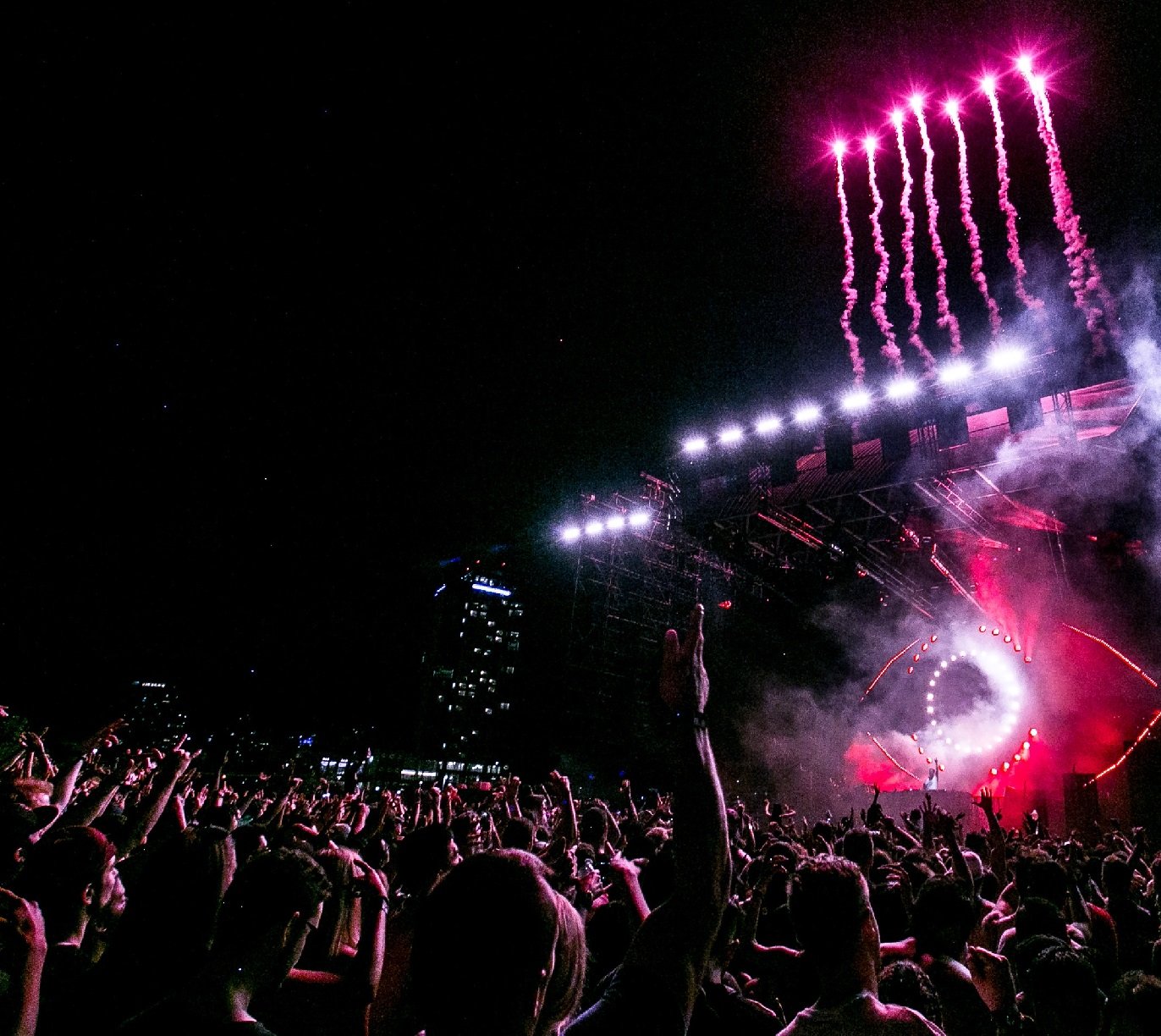
Introduction: In today's digital age, data is a valuable asset, and protecting the privacy of our personal information has become a paramount concern. This concern extends to the realm of DJ events and festivals, where technology and data collection play a significant role. In this blog post, we will explore the importance of data privacy at DJ events and festivals and provide essential guidelines for both organizers and attendees to ensure a safe and secure experience. 1. Understanding Data Privacy at DJ Events and Festivals: Data privacy refers to the protection of personal information collected during DJ events and festivals. This can include attendees' names, contact details, and even sensitive data such as payment information. Organizers have the responsibility to handle this data securely and transparently, while attendees must be informed about the type of data collected and how it will be used. 2. Compliance with Data Protection Laws: Organizers must be aware of and comply with relevant data protection laws, such as the General Data Protection Regulation (GDPR) in the European Union or the California Consumer Privacy Act (CCPA). These laws set out requirements for data collection, storage, and processing, ensuring the privacy rights of individuals are respected. 3. Transparency in Data Collection Practices: Organizers should clearly communicate their data collection practices to attendees. This can be done through a privacy policy or terms and conditions, detailing what types of data will be collected, how it will be used, and with whom it will be shared. Attendees should have the option to provide their consent explicitly and be informed of their rights regarding their personal information. 4. Secure Data Storage and Handling: Organizers must ensure that all data collected is securely stored and protected from unauthorized access. This involves implementing encryption, firewalls, and access controls to safeguard the data from potential breaches. Regular data backups should also be performed to prevent loss of valuable information. 5. Limiting Data Access: Organizers should restrict access to personal data within their organization, ensuring that only individuals with a legitimate need can access it. Additionally, they should review and revise access permissions regularly to prevent misuse or unauthorized access. 6. Anonymizing Data for Analysis: If organizers plan to analyze the collected data, it is important to anonymize it to protect the privacy of attendees. By removing personally identifiable information, such as names and contact details, the data can still provide valuable insights without compromising privacy. 7. Attendees' Rights and Options: Attendees have the right to know what data is collected about them and how it is being used. Organizers should provide a straightforward process for attendees to request access to their data or to have it deleted if necessary. Additionally, attendees should have the ability to opt out of certain data collection practices, such as email marketing or sharing their data with third parties. 8. Data Breach Preparedness: Even with robust security measures in place, data breaches can still occur. Organizers must have a comprehensive data breach response plan, including protocols for notifying affected individuals, regulators, and taking necessary actions to mitigate the impact of the breach. Conclusion: As the use of technology and data collection continues to evolve in the DJ events and festival industry, ensuring data privacy is essential for both organizers and attendees. By following these guidelines, organizers can foster trust with their audience, protect personal information, and comply with relevant data protection laws. At the same time, attendees can take an active role in understanding and exercising their data privacy rights, ultimately creating a safer and more enjoyable experience for everyone involved. sources: http://www.privacyless.com
Leave a Comment:
SEARCH
Recent News
- Zurich, Switzerland is a vibrant city known for its rich cultural scene and diverse music offerings. One unique aspect of Zurich's music scene is the presence of Sudanese music, which has found a home in the city's melting pot of cultures.
- Visiting Zurich, Switzerland, can be an enriching experience for music lovers from all corners of the world. While the city may not be the first place that comes to mind when thinking about South African music, Zurich's diverse music scene offers a glimpse into the vibrant sounds of this African nation.
- Zurich, Switzerland is a vibrant city known for its stunning architecture, picturesque landscapes, and rich culture. One aspect of Zurich's cultural scene that often goes under the radar is its regional music. The city and its surrounding areas are home to a diverse range of musical styles, reflecting the multiculturalism and artistic diversity of the region.
- Zurich, Switzerland: Discovering the Vibrant Norwegian Music Scene
- Zurich, Switzerland: A Hub for Estonian Music
- YouTube Content Creation and Translation: Bringing Sudanese Music to a Global Audience
- YouTube has become a powerful platform for content creators to share their work with a global audience. One area that has seen significant growth in recent years is the creation and translation of South African music content on the platform. South Africa has a rich and diverse musical landscape, ranging from traditional to modern genres, and YouTube has provided a space for South African artists to showcase their talent to the world.
- YouTube has become a popular platform for content creators to showcase their talents to a global audience. One area of YouTube content creation that has been gaining traction is regional music. With the ability to reach viewers all around the world, YouTube offers a unique opportunity for musicians and artists to share their culture and music with a diverse audience.
READ MORE
11 months ago Category :

Zurich, Switzerland is a vibrant city known for its rich cultural scene and diverse music offerings. One unique aspect of Zurich's music scene is the presence of Sudanese music, which has found a home in the city's melting pot of cultures.
Read More →11 months ago Category :

Visiting Zurich, Switzerland, can be an enriching experience for music lovers from all corners of the world. While the city may not be the first place that comes to mind when thinking about South African music, Zurich's diverse music scene offers a glimpse into the vibrant sounds of this African nation.
Read More →11 months ago Category :

Zurich, Switzerland is a vibrant city known for its stunning architecture, picturesque landscapes, and rich culture. One aspect of Zurich's cultural scene that often goes under the radar is its regional music. The city and its surrounding areas are home to a diverse range of musical styles, reflecting the multiculturalism and artistic diversity of the region.
Read More →11 months ago Category :
