The Evolution of DJ Music and Electronic Device History: From Registration to Document Management
Category : | Sub Category : Posted on 2023-10-30 21:24:53
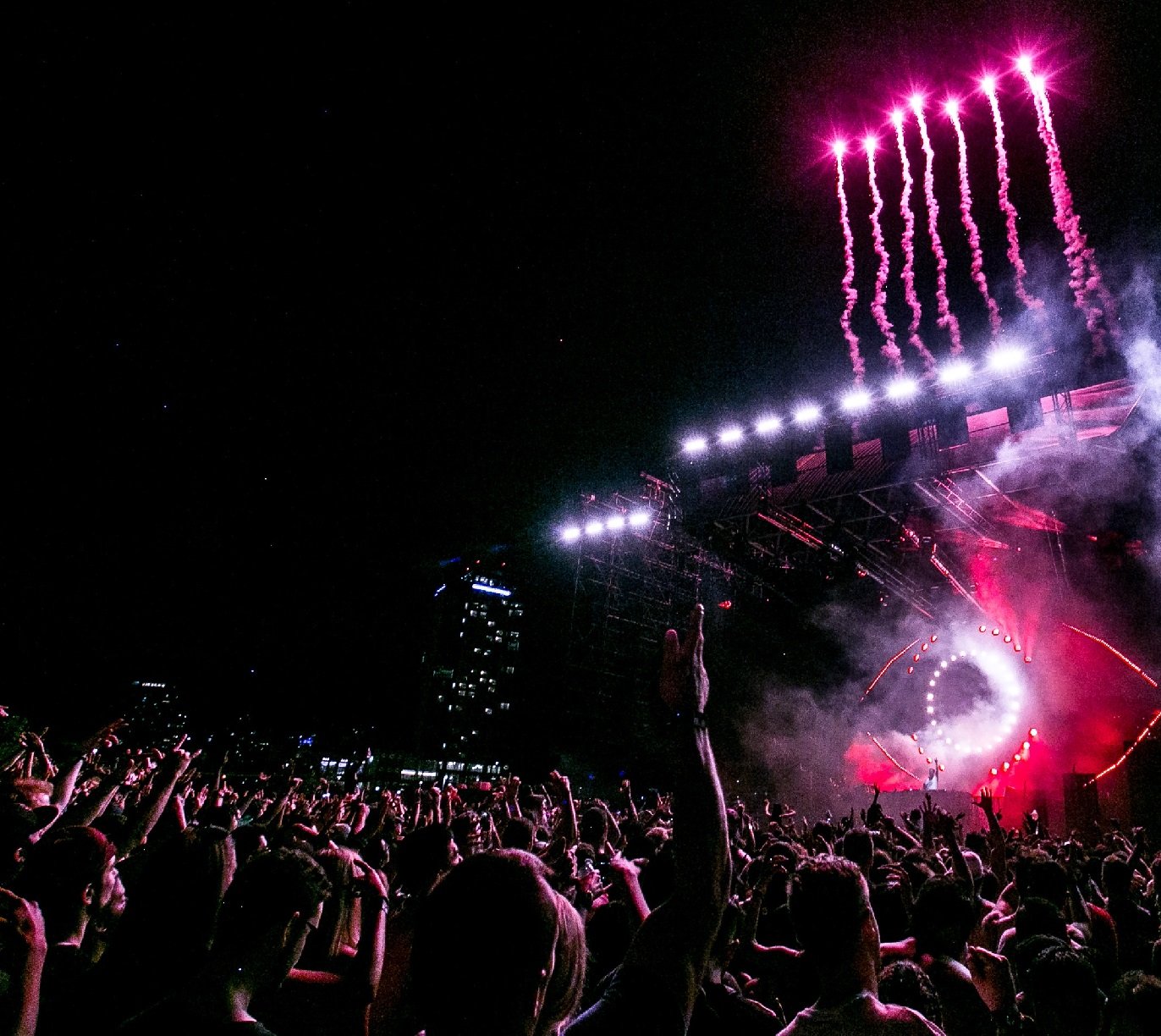
Introduction: In the world of music, DJs play a crucial role in creating immersive experiences for audiences. Over the years, the art of DJing has evolved, with electronic devices becoming an integral part of the process. Alongside this evolution, the need for proper registration and document management has become more important than ever. In this blog post, we will explore the history of DJ music and electronic devices, and discuss the significance of registration and document management in this field. The Birth of DJ Music: DJ music originated in the 1970s in New York City, with DJs at block parties blending different genres and creating a unique sound that appealed to crowds. These early pioneers used turntables and vinyl records to manipulate and remix music, creating a whole new experience for listeners. The Age of Electronic Devices: As technology advanced, so did the tools available to DJs. The introduction of electronic devices revolutionized the way music was mixed and performed. The invention of the compact disc (CD) in the early 1980s allowed DJs to have a large collection of music in a single portable format. This marked the beginning of a digital era for DJing. With the rise of digital music, DJs embraced the use of software and hardware controllers. DJ-specific software such as Serato, Traktor, and Virtual DJ became mainstream, allowing DJs to mix tracks on their laptops or dedicated DJ controllers. These technological advancements made it easier for DJs to manipulate and create music, paving the way for more creative and dynamic performances. Registration: Protecting DJ Music: With the ease of digital distribution and the rise of online platforms, protecting DJ music and the rights of artists has become increasingly important. Registering tracks with copyright organizations such as ASCAP, BMI, or SOCAN helps DJs prove ownership and ensures that they receive royalties when their music is played publicly. Documenting and registering DJ music not only safeguards the artists' work but also provides a framework for proper attribution and fair compensation in the industry. Document Management: Organizing DJ Sets: As a DJ's music library grows, organizing tracks and managing playlists become crucial tasks. Document management systems and software can help DJs keep their music collection organized, making it easier to locate specific tracks quickly during performances. Metadata tagging, setlist creation, and playlist management tools streamline the process, enabling DJs to focus on the creative aspects of their craft. Conclusion: The art of DJing has evolved significantly since its early days, with electronic devices playing a pivotal role in shaping the industry. From vinyl records to digital software, DJs have continually embraced new technologies to push the boundaries of their creativity. However, with this technological progression, maintaining proper registration and document management practices has become essential. DJs must protect their music and ensure that they receive the recognition and compensation they deserve. By embracing registration and document management tools, DJs can continue to thrive and inspire audiences worldwide. Don't miss more information at http://www.borntoresist.com You can also check following website for more information about this subject: http://www.edhr.org Find expert opinions in http://www.svop.org also don't miss more information at http://www.qqhbo.com Want to know more? Don't forget to read: http://www.albumd.com If you're interested in this topic, I suggest reading http://www.mimidate.com You can also check following website for more information about this subject: http://www.keralachessyoutubers.com Explore this subject further for a deeper understanding. http://www.cotidiano.org
Leave a Comment:
SEARCH
Recent News
- Zurich, Switzerland is a vibrant city known for its rich cultural scene and diverse music offerings. One unique aspect of Zurich's music scene is the presence of Sudanese music, which has found a home in the city's melting pot of cultures.
- Visiting Zurich, Switzerland, can be an enriching experience for music lovers from all corners of the world. While the city may not be the first place that comes to mind when thinking about South African music, Zurich's diverse music scene offers a glimpse into the vibrant sounds of this African nation.
- Zurich, Switzerland is a vibrant city known for its stunning architecture, picturesque landscapes, and rich culture. One aspect of Zurich's cultural scene that often goes under the radar is its regional music. The city and its surrounding areas are home to a diverse range of musical styles, reflecting the multiculturalism and artistic diversity of the region.
- Zurich, Switzerland: Discovering the Vibrant Norwegian Music Scene
- Zurich, Switzerland: A Hub for Estonian Music
- YouTube Content Creation and Translation: Bringing Sudanese Music to a Global Audience
- YouTube has become a powerful platform for content creators to share their work with a global audience. One area that has seen significant growth in recent years is the creation and translation of South African music content on the platform. South Africa has a rich and diverse musical landscape, ranging from traditional to modern genres, and YouTube has provided a space for South African artists to showcase their talent to the world.
- YouTube has become a popular platform for content creators to showcase their talents to a global audience. One area of YouTube content creation that has been gaining traction is regional music. With the ability to reach viewers all around the world, YouTube offers a unique opportunity for musicians and artists to share their culture and music with a diverse audience.
READ MORE
10 months ago Category :

Zurich, Switzerland is a vibrant city known for its rich cultural scene and diverse music offerings. One unique aspect of Zurich's music scene is the presence of Sudanese music, which has found a home in the city's melting pot of cultures.
Read More →10 months ago Category :

Visiting Zurich, Switzerland, can be an enriching experience for music lovers from all corners of the world. While the city may not be the first place that comes to mind when thinking about South African music, Zurich's diverse music scene offers a glimpse into the vibrant sounds of this African nation.
Read More →10 months ago Category :

Zurich, Switzerland is a vibrant city known for its stunning architecture, picturesque landscapes, and rich culture. One aspect of Zurich's cultural scene that often goes under the radar is its regional music. The city and its surrounding areas are home to a diverse range of musical styles, reflecting the multiculturalism and artistic diversity of the region.
Read More →10 months ago Category :
