Troubleshooting Tips for DJing in Japan: Overcoming Common Music Challenges
Category : | Sub Category : Posted on 2024-09-07 22:25:23
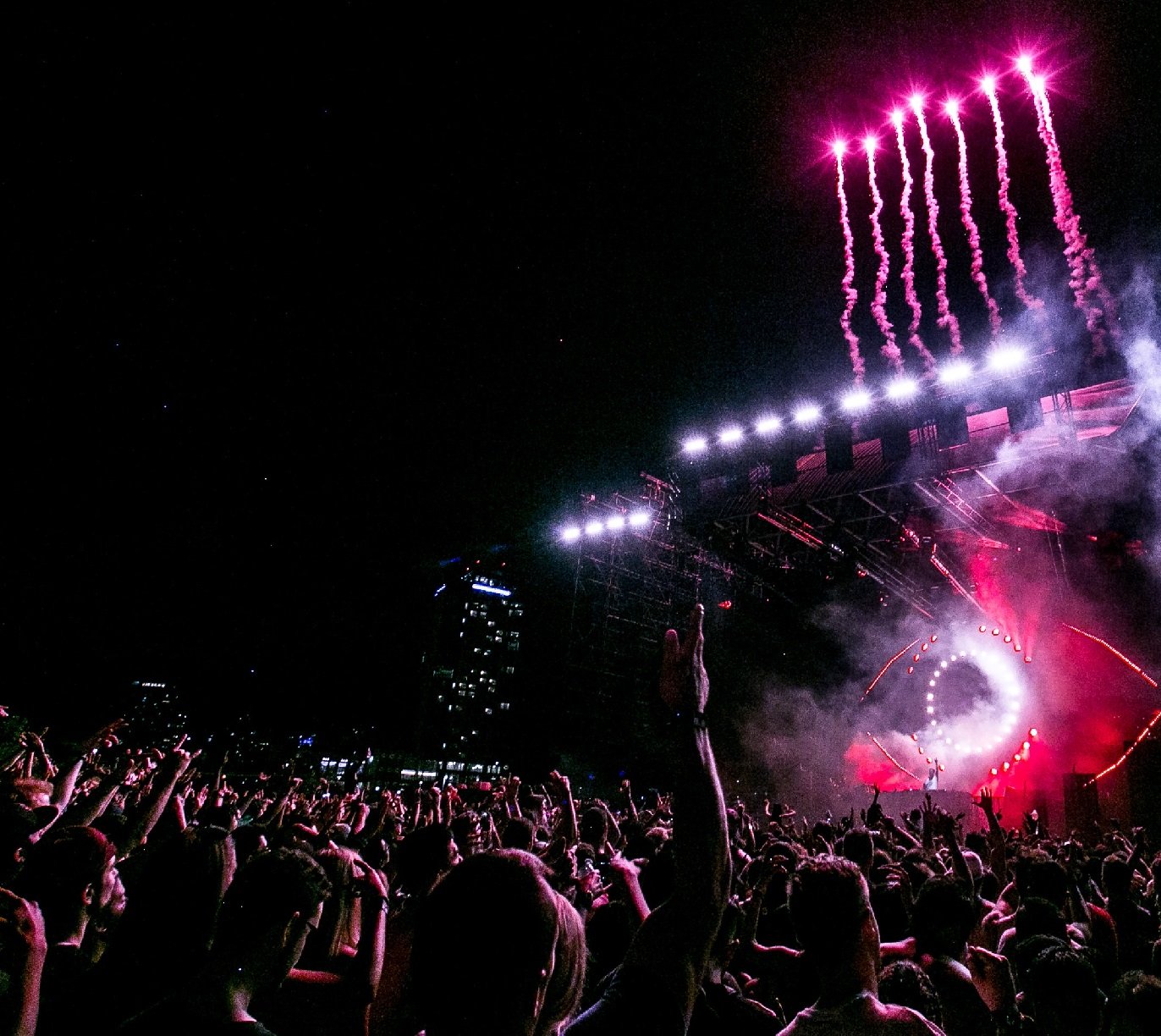
If you’re a DJ planning to spin tracks in Japan, you might encounter some unique challenges that are different from what you’re used to in other parts of the world. From venue restrictions to cultural preferences, navigating the Japanese Music scene can be both exciting and daunting. In this blog post, we'll discuss some troubleshooting tips to help you overcome common music challenges when DJing in Japan. 1. Licensing and Copyright Issues: One of the first things you need to be aware of when DJing in Japan is the strict enforcement of licensing and copyright laws. Make sure you have the proper licenses and permissions to play copyrighted music in public. Joining a local music rights organization like JASRAC can help you navigate the legal requirements and ensure you’re not violating any laws. 2. Technical Setup and Equipment Compatibility: Different countries may have varying technical standards and equipment compatibility issues. Make sure your DJ equipment is compatible with the power outlets and voltage in Japan. It’s also a good idea to bring adapters and converters to avoid any technical mishaps during your performance. 3. Language Barrier: While English is widely spoken in Japan, you may still encounter language barriers when communicating with venue staff or audience members. Consider learning some basic Japanese phrases related to music and DJing to help you communicate effectively. Having a local translator or interpreter on hand can also be beneficial. 4. Cultural Differences and Music Preferences: Japanese music tastes and preferences may differ from what you’re used to in your home country. Familiarize yourself with popular Japanese music genres and songs to cater to the local audience. Be open to requests and feedback from the crowd to create an engaging and lively atmosphere during your set. 5. Understanding Venue rules and Etiquette: Each venue in Japan may have its own set of rules and etiquette guidelines that you need to follow. Before your performance, communicate with the venue staff to understand their expectations regarding sound levels, set duration, and audience interaction. Respecting the venue’s rules and guidelines will help you establish a positive reputation as a professional DJ. By being prepared and proactive in addressing these common music challenges, you can enhance your DJing experience in Japan and create memorable performances that resonate with the local audience. Embrace the opportunity to learn and adapt to the unique aspects of the Japanese music scene, and you’ll undoubtedly leave a lasting impression with your music. Happy spinning! this link is for more information https://www.keralachessyoutubers.com for more https://www.cotidiano.org Take a deep dive into this topic by checking: https://www.topico.net
https://shockrage.com
Leave a Comment:
SEARCH
Recent News
- Zurich, Switzerland is a vibrant city known for its rich cultural scene and diverse music offerings. One unique aspect of Zurich's music scene is the presence of Sudanese music, which has found a home in the city's melting pot of cultures.
- Visiting Zurich, Switzerland, can be an enriching experience for music lovers from all corners of the world. While the city may not be the first place that comes to mind when thinking about South African music, Zurich's diverse music scene offers a glimpse into the vibrant sounds of this African nation.
- Zurich, Switzerland is a vibrant city known for its stunning architecture, picturesque landscapes, and rich culture. One aspect of Zurich's cultural scene that often goes under the radar is its regional music. The city and its surrounding areas are home to a diverse range of musical styles, reflecting the multiculturalism and artistic diversity of the region.
- Zurich, Switzerland: Discovering the Vibrant Norwegian Music Scene
- Zurich, Switzerland: A Hub for Estonian Music
- YouTube Content Creation and Translation: Bringing Sudanese Music to a Global Audience
- YouTube has become a powerful platform for content creators to share their work with a global audience. One area that has seen significant growth in recent years is the creation and translation of South African music content on the platform. South Africa has a rich and diverse musical landscape, ranging from traditional to modern genres, and YouTube has provided a space for South African artists to showcase their talent to the world.
- YouTube has become a popular platform for content creators to showcase their talents to a global audience. One area of YouTube content creation that has been gaining traction is regional music. With the ability to reach viewers all around the world, YouTube offers a unique opportunity for musicians and artists to share their culture and music with a diverse audience.
READ MORE
8 months ago Category :

Zurich, Switzerland is a vibrant city known for its rich cultural scene and diverse music offerings. One unique aspect of Zurich's music scene is the presence of Sudanese music, which has found a home in the city's melting pot of cultures.
Read More →8 months ago Category :

Visiting Zurich, Switzerland, can be an enriching experience for music lovers from all corners of the world. While the city may not be the first place that comes to mind when thinking about South African music, Zurich's diverse music scene offers a glimpse into the vibrant sounds of this African nation.
Read More →8 months ago Category :

Zurich, Switzerland is a vibrant city known for its stunning architecture, picturesque landscapes, and rich culture. One aspect of Zurich's cultural scene that often goes under the radar is its regional music. The city and its surrounding areas are home to a diverse range of musical styles, reflecting the multiculturalism and artistic diversity of the region.
Read More →8 months ago Category :
