Navigating the Korean Business Landscape: Understanding Laws and Regulations for DJ Music Industry
Category : | Sub Category : Posted on 2024-09-07 22:25:23
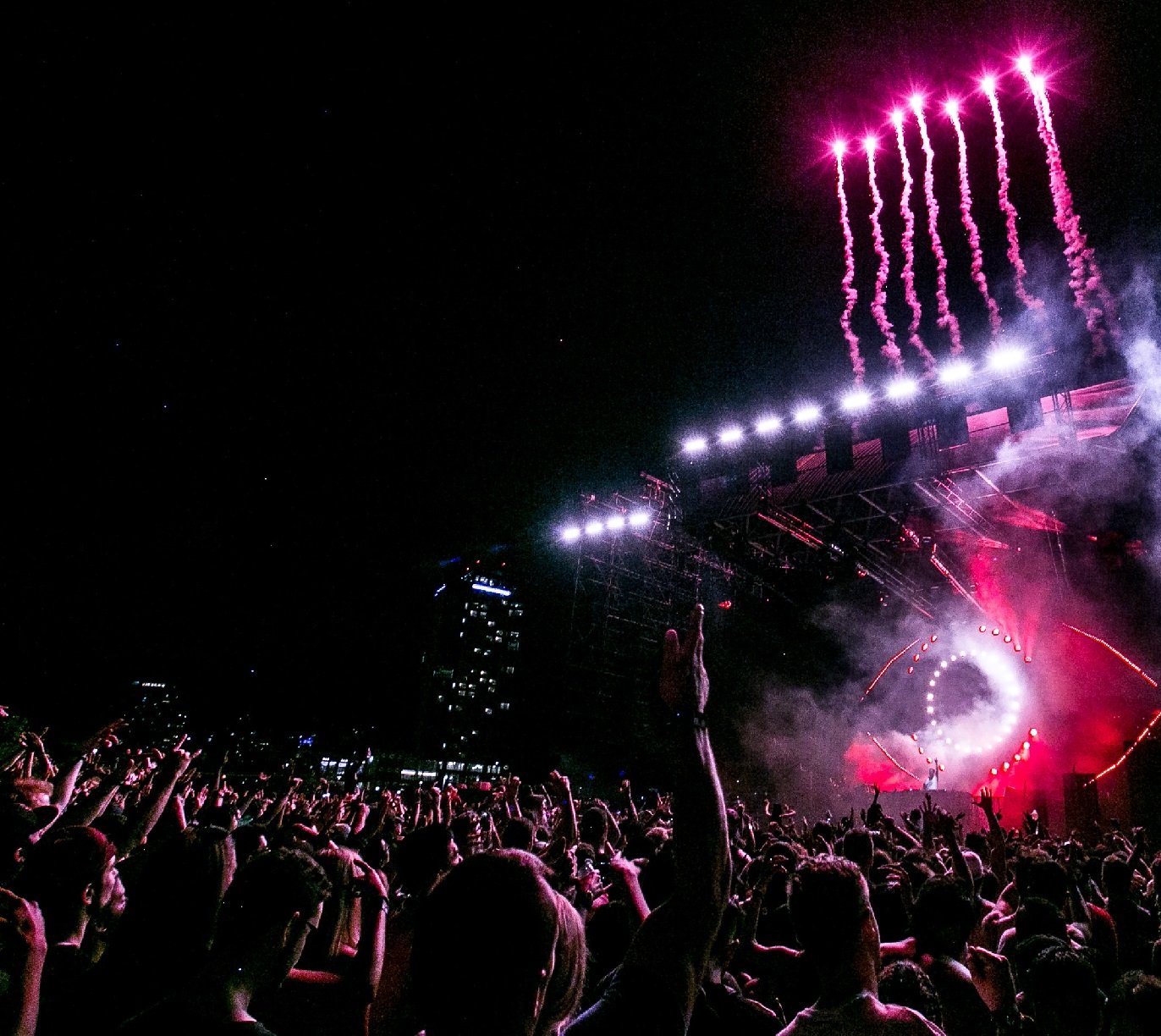
South Korea is a vibrant and dynamic market known for its booming entertainment industry, including the world-famous K-pop music scene. Alongside this, the DJ music industry has been gaining popularity in Korea, with DJs and electronic music producers becoming key players in the country's music scene. However, as in any country, doing business in South Korea comes with its own set of laws and regulations that must be understood and followed to ensure a successful and compliant operation. For those in the DJ music industry looking to enter the Korean market, it is crucial to have a good grasp of the legal landscape to avoid potential pitfalls and legal issues. One of the primary considerations for DJs operating in Korea is copyright law. South Korea has a robust legal framework for the protection of intellectual property rights, including copyrights for music compositions and recordings. DJs must obtain the necessary licenses and permissions to use copyrighted music in their performances and recordings to avoid infringing on others' rights. Additionally, DJs engaging in public performances or broadcasting their music online in Korea must comply with licensing requirements set forth by the Korea Copyright Commission. This includes obtaining performance licenses and ensuring that royalties are paid to the appropriate rights holders. In terms of business registration and taxation, DJs looking to operate in Korea must familiarize themselves with the country's corporate laws and tax regulations. Registering a business entity, such as a sole proprietorship or corporation, is a necessary step for legal operation in Korea. Understanding the tax obligations and implications for foreign businesses operating in Korea is also crucial to avoid any tax-related issues in the future. Furthermore, Korea has specific regulations governing the nightlife and entertainment industry, which may impact DJs performing at clubs, festivals, or other venues. For example, certain venues may have curfews or noise restrictions that DJs must adhere to, and permits may be required for hosting large events or festivals. In conclusion, the DJ music industry in South Korea offers great opportunities for growth and success, but it is essential for DJs to navigate the legal landscape effectively. By understanding and complying with Korean laws and regulations related to copyright, business registration, taxation, and entertainment industry guidelines, DJs can establish a solid foundation for their operations in the Korean market. As the Korean music industry continues to evolve and expand, DJs who are well-informed and compliant with the legal framework will be better positioned to capitalize on the country's thriving music scene and contribute to its vibrant cultural landscape. For a detailed analysis, explore: https://www.svop.org For a detailed analysis, explore: https://www.qqhbo.com Discover more about this topic through https://www.albumd.com also for more https://www.mimidate.com Visit the following website https://www.keralachessyoutubers.com To delve deeper into this subject, consider these articles: https://www.cotidiano.org Explore this subject further by checking out https://www.topico.net
https://shockrage.com
Leave a Comment:
SEARCH
Recent News
- Zurich, Switzerland is a vibrant city known for its rich cultural scene and diverse music offerings. One unique aspect of Zurich's music scene is the presence of Sudanese music, which has found a home in the city's melting pot of cultures.
- Visiting Zurich, Switzerland, can be an enriching experience for music lovers from all corners of the world. While the city may not be the first place that comes to mind when thinking about South African music, Zurich's diverse music scene offers a glimpse into the vibrant sounds of this African nation.
- Zurich, Switzerland is a vibrant city known for its stunning architecture, picturesque landscapes, and rich culture. One aspect of Zurich's cultural scene that often goes under the radar is its regional music. The city and its surrounding areas are home to a diverse range of musical styles, reflecting the multiculturalism and artistic diversity of the region.
- Zurich, Switzerland: Discovering the Vibrant Norwegian Music Scene
- Zurich, Switzerland: A Hub for Estonian Music
- YouTube Content Creation and Translation: Bringing Sudanese Music to a Global Audience
- YouTube has become a powerful platform for content creators to share their work with a global audience. One area that has seen significant growth in recent years is the creation and translation of South African music content on the platform. South Africa has a rich and diverse musical landscape, ranging from traditional to modern genres, and YouTube has provided a space for South African artists to showcase their talent to the world.
- YouTube has become a popular platform for content creators to showcase their talents to a global audience. One area of YouTube content creation that has been gaining traction is regional music. With the ability to reach viewers all around the world, YouTube offers a unique opportunity for musicians and artists to share their culture and music with a diverse audience.
READ MORE
8 months ago Category :

Zurich, Switzerland is a vibrant city known for its rich cultural scene and diverse music offerings. One unique aspect of Zurich's music scene is the presence of Sudanese music, which has found a home in the city's melting pot of cultures.
Read More →8 months ago Category :

Visiting Zurich, Switzerland, can be an enriching experience for music lovers from all corners of the world. While the city may not be the first place that comes to mind when thinking about South African music, Zurich's diverse music scene offers a glimpse into the vibrant sounds of this African nation.
Read More →8 months ago Category :

Zurich, Switzerland is a vibrant city known for its stunning architecture, picturesque landscapes, and rich culture. One aspect of Zurich's cultural scene that often goes under the radar is its regional music. The city and its surrounding areas are home to a diverse range of musical styles, reflecting the multiculturalism and artistic diversity of the region.
Read More →8 months ago Category :
