Electronic Device History: Revolutionizing the Way Famous DJs and Artists Create Music
Category : | Sub Category : Posted on 2023-10-30 21:24:53
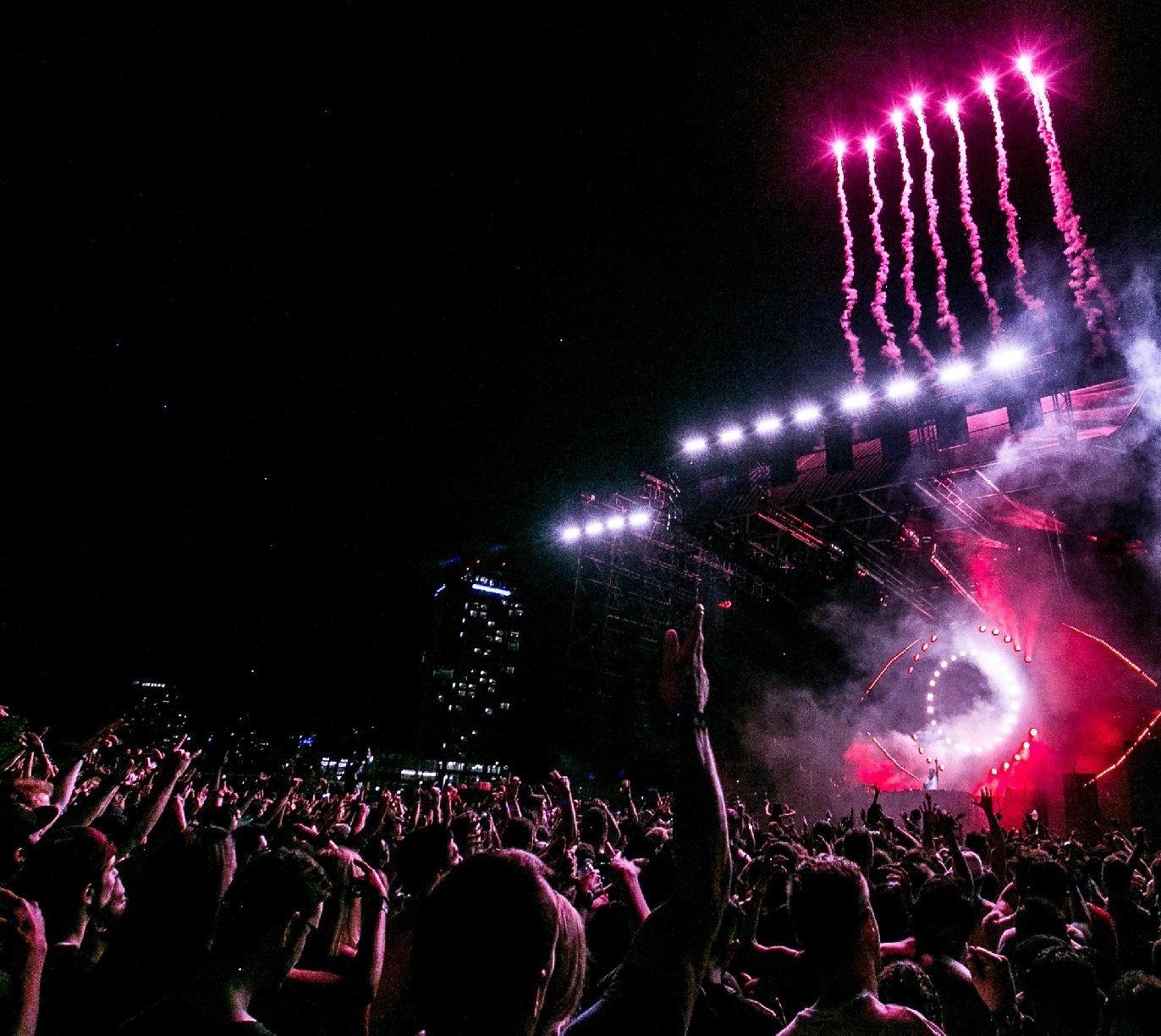
Introduction: Music production has come a long way, thanks to advancements in electronic devices. Throughout history, these devices have played a significant role in shaping the sound of famous DJs and artists. In this blog post, we will explore the evolution of electronic devices and their influence on the music industry. 1. The Birth of Electronic Instruments: The journey of electronic music begins in the early 20th century with the invention of the Theremin by Lon Theremin. This unique device manipulated electromagnetic fields to produce otherworldly sounds. Later, the electronic organ and the Moog synthesizer took center stage, enabling musicians to create unconventional and surreal tones. 2. Synthesizers: The Game-Changers: In the 1970s, the introduction of miniaturized synthesizers revolutionized the music industry. Artists such as Kraftwerk, Depeche Mode, and Jean-Michel Jarre embraced these devices to produce futuristic and experimental sounds. The synthesizer's ability to emulate various instruments and its versatility gave birth to new genres like synth-pop and electronic dance music (EDM). 3. Digital Audio Workstations (DAWs): The 1980s marked the emergence of digital audio workstations, fundamentally altering how music is produced. Software-based platforms like Pro Tools, Ableton Live, and Logic Pro became the go-to tools for famous DJs and artists. DAWs enabled seamless recording, editing, and mixing, offering unprecedented control over every aspect of the music-making process. 4. Sampling and Sequencing: Samplers and sequencers revolutionized the concept of composition and arrangement. The advent of devices like the Akai MPC and the Roland TR-808 drum machine allowed artists to manipulate pre-recorded sounds and create entirely new compositions. Sampling became prevalent, enabling artists like The Prodigy and Daft Punk to craft unique and memorable tracks. 5. MIDI and Controllers: The introduction of the Musical Instrument Digital Interface (MIDI) in the 1980s opened up new possibilities for artistic expression. MIDI allowed electronic devices to communicate with each other, making it easier for DJs and artists to sync multiple devices and control various parameters simultaneously. MIDI controllers, such as keyboards, drum pads, and DJ controllers, became integral tools in live performances and studio productions. 6. Mobile Music Production: With the rise of smartphones and tablets, mobile music production has become accessible to both professional and aspiring artists. Apps like GarageBand, FL Studio Mobile, and Korg Gadget offer powerful DAW functionalities on portable devices, providing a pocket-sized studio for musicians on the go. Conclusion: Electronic devices have undoubtedly transformed the music industry, redefining how famous DJs and artists create and perform music. From the early experimentation with synthesizers to the seamless integration of digital audio workstations and controllers, these devices have given birth to new soundscapes and genres. As technology continues to evolve, the future of music production looks promising, with endless possibilities awaiting the next generation of electronic artists. Expand your knowledge by perusing http://www.edhr.org
Leave a Comment:
SEARCH
Recent News
- Zurich, Switzerland is a vibrant city known for its rich cultural scene and diverse music offerings. One unique aspect of Zurich's music scene is the presence of Sudanese music, which has found a home in the city's melting pot of cultures.
- Visiting Zurich, Switzerland, can be an enriching experience for music lovers from all corners of the world. While the city may not be the first place that comes to mind when thinking about South African music, Zurich's diverse music scene offers a glimpse into the vibrant sounds of this African nation.
- Zurich, Switzerland is a vibrant city known for its stunning architecture, picturesque landscapes, and rich culture. One aspect of Zurich's cultural scene that often goes under the radar is its regional music. The city and its surrounding areas are home to a diverse range of musical styles, reflecting the multiculturalism and artistic diversity of the region.
- Zurich, Switzerland: Discovering the Vibrant Norwegian Music Scene
- Zurich, Switzerland: A Hub for Estonian Music
- YouTube Content Creation and Translation: Bringing Sudanese Music to a Global Audience
- YouTube has become a powerful platform for content creators to share their work with a global audience. One area that has seen significant growth in recent years is the creation and translation of South African music content on the platform. South Africa has a rich and diverse musical landscape, ranging from traditional to modern genres, and YouTube has provided a space for South African artists to showcase their talent to the world.
- YouTube has become a popular platform for content creators to showcase their talents to a global audience. One area of YouTube content creation that has been gaining traction is regional music. With the ability to reach viewers all around the world, YouTube offers a unique opportunity for musicians and artists to share their culture and music with a diverse audience.
READ MORE
10 months ago Category :

Zurich, Switzerland is a vibrant city known for its rich cultural scene and diverse music offerings. One unique aspect of Zurich's music scene is the presence of Sudanese music, which has found a home in the city's melting pot of cultures.
Read More →10 months ago Category :

Visiting Zurich, Switzerland, can be an enriching experience for music lovers from all corners of the world. While the city may not be the first place that comes to mind when thinking about South African music, Zurich's diverse music scene offers a glimpse into the vibrant sounds of this African nation.
Read More →10 months ago Category :

Zurich, Switzerland is a vibrant city known for its stunning architecture, picturesque landscapes, and rich culture. One aspect of Zurich's cultural scene that often goes under the radar is its regional music. The city and its surrounding areas are home to a diverse range of musical styles, reflecting the multiculturalism and artistic diversity of the region.
Read More →10 months ago Category :
