The Intersection of Farming Technology and DJ Events and Festivals
Category : | Sub Category : Posted on 2023-10-30 21:24:53
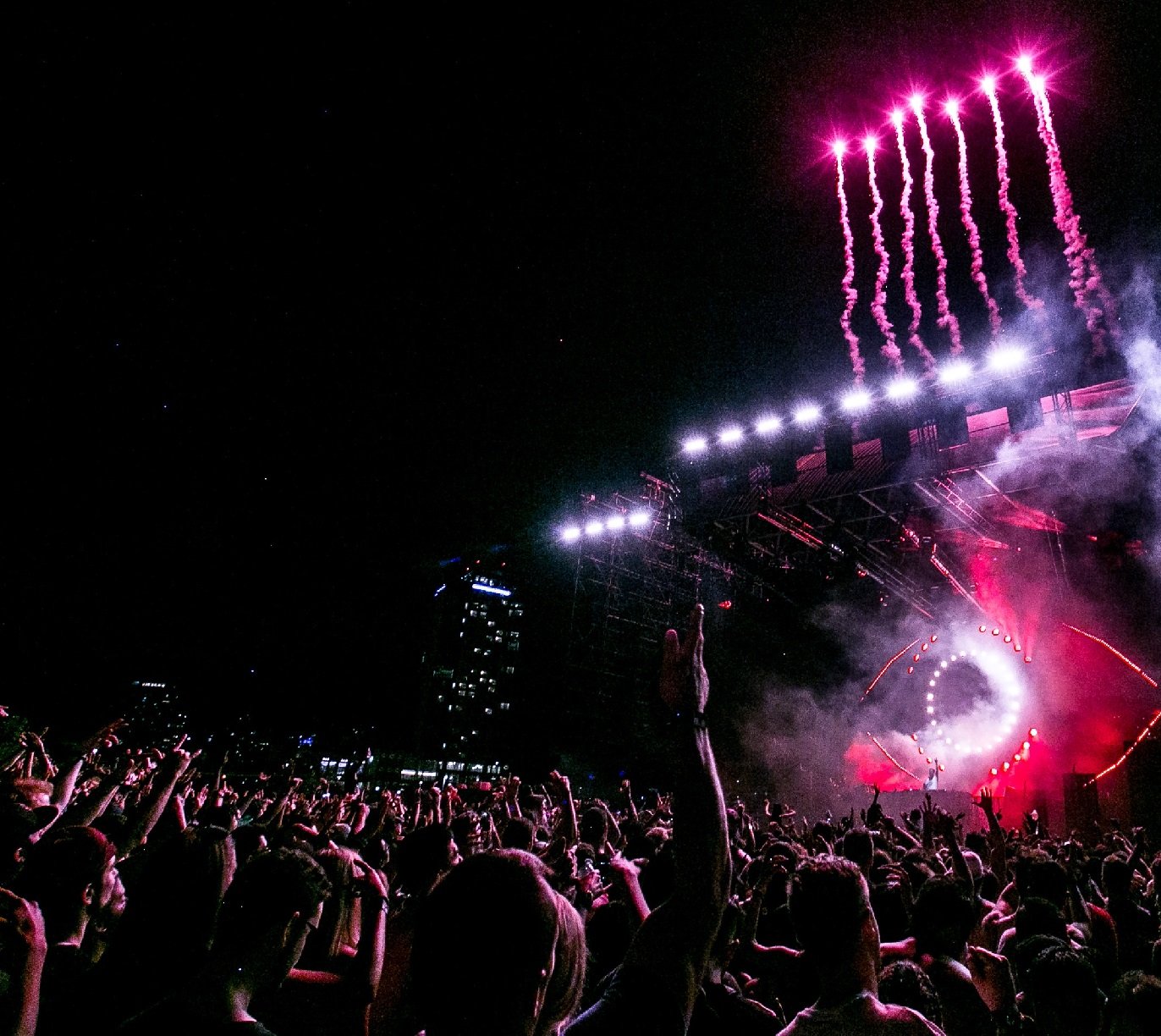
Introduction: The world of farming and the electrifying atmosphere of DJ events and festivals may seem worlds apart. However, as technology continues to advance and industries converge, we are witnessing an exciting intersection between these seemingly disparate worlds. In this blog post, we will explore how farming technology is influencing and revolutionizing DJ events and festivals, leading to a more sustainable and immersive experience for attendees. 1. Sustainable Energy Solutions: In recent years, there has been a growing emphasis on sustainability and reducing the carbon footprint of large-scale events. This has prompted event organizers to explore alternative energy sources beyond traditional generators. Enter farming technology. Innovations such as solar, wind, and hydro-powered systems are being incorporated into DJ events and festivals, harnessing renewable energy to power stages, lights, and sound systems. These solutions not only reduce emissions but also provide a cleaner and greener environment for both performers and attendees. 2. Vertical Farming for Food Production: With DJ events and festivals attracting a large number of people, food production and waste management can be major challenges. In response, some event organizers are turning to vertical farming techniques to grow fresh produce on-site. Vertical farms, using advanced hydroponics or aeroponics systems, maximize space and minimize water usage, allowing for the cultivation of a variety of crops in a compact footprint. By growing food on-site, these events can offer healthier and more sustainable options to attendees, reducing the need for long supply chains and preventing food waste. 3. Smart Irrigation Systems: Water scarcity is a critical issue in many parts of the world, and DJ events and festivals can use significant amounts of water for various purposes such as dust control and irrigation. Farming technology, specifically smart irrigation systems, can play a vital role in water conservation efforts. These systems use sensors and data analytics to monitor soil moisture levels, weather conditions, and plant water needs, ensuring precise and optimized water usage. By implementing such technology, event organizers can reduce water consumption without compromising the aesthetics or safety of the event. 4. Organic Waste Management: Large-scale events generate substantial amounts of waste, including disposable food containers, beverage cups, and even discarded merchandise. To address this issue, event organizers are increasingly adopting composting and recycling practices. Farmers, who have long been experts in organic waste management, can contribute their expertise to these efforts. By partnering with local farmers, event organizers can facilitate the collection and composting of organic waste generated during the event, transforming it into valuable compost for future agricultural use. This not only reduces waste sent to landfill but also supports regenerative agricultural practices. Conclusion: The convergence of farming technology and DJ events and festivals is an exciting development that showcases the potential for collaboration and innovation across industries. From sustainable energy solutions to vertical farming, smart irrigation systems, and organic waste management, farming technology offers practical solutions to enhance the environmental sustainability, efficiency, and overall experience of these events. As more event organizers recognize the benefits, we can expect a future where farming technology plays an increasingly important role in shaping the landscape of DJ events and festivals. For a closer look, don't forget to read http://www.xfarming.com
Leave a Comment:
SEARCH
Recent News
- Zurich, Switzerland is a vibrant city known for its rich cultural scene and diverse music offerings. One unique aspect of Zurich's music scene is the presence of Sudanese music, which has found a home in the city's melting pot of cultures.
- Visiting Zurich, Switzerland, can be an enriching experience for music lovers from all corners of the world. While the city may not be the first place that comes to mind when thinking about South African music, Zurich's diverse music scene offers a glimpse into the vibrant sounds of this African nation.
- Zurich, Switzerland is a vibrant city known for its stunning architecture, picturesque landscapes, and rich culture. One aspect of Zurich's cultural scene that often goes under the radar is its regional music. The city and its surrounding areas are home to a diverse range of musical styles, reflecting the multiculturalism and artistic diversity of the region.
- Zurich, Switzerland: Discovering the Vibrant Norwegian Music Scene
- Zurich, Switzerland: A Hub for Estonian Music
- YouTube Content Creation and Translation: Bringing Sudanese Music to a Global Audience
- YouTube has become a powerful platform for content creators to share their work with a global audience. One area that has seen significant growth in recent years is the creation and translation of South African music content on the platform. South Africa has a rich and diverse musical landscape, ranging from traditional to modern genres, and YouTube has provided a space for South African artists to showcase their talent to the world.
- YouTube has become a popular platform for content creators to showcase their talents to a global audience. One area of YouTube content creation that has been gaining traction is regional music. With the ability to reach viewers all around the world, YouTube offers a unique opportunity for musicians and artists to share their culture and music with a diverse audience.
READ MORE
9 months ago Category :

Zurich, Switzerland is a vibrant city known for its rich cultural scene and diverse music offerings. One unique aspect of Zurich's music scene is the presence of Sudanese music, which has found a home in the city's melting pot of cultures.
Read More →9 months ago Category :

Visiting Zurich, Switzerland, can be an enriching experience for music lovers from all corners of the world. While the city may not be the first place that comes to mind when thinking about South African music, Zurich's diverse music scene offers a glimpse into the vibrant sounds of this African nation.
Read More →9 months ago Category :

Zurich, Switzerland is a vibrant city known for its stunning architecture, picturesque landscapes, and rich culture. One aspect of Zurich's cultural scene that often goes under the radar is its regional music. The city and its surrounding areas are home to a diverse range of musical styles, reflecting the multiculturalism and artistic diversity of the region.
Read More →9 months ago Category :
