Lighting the Way: How Lighting Enhances Performances for Famous DJs and Artists
Category : | Sub Category : Posted on 2023-10-30 21:24:53
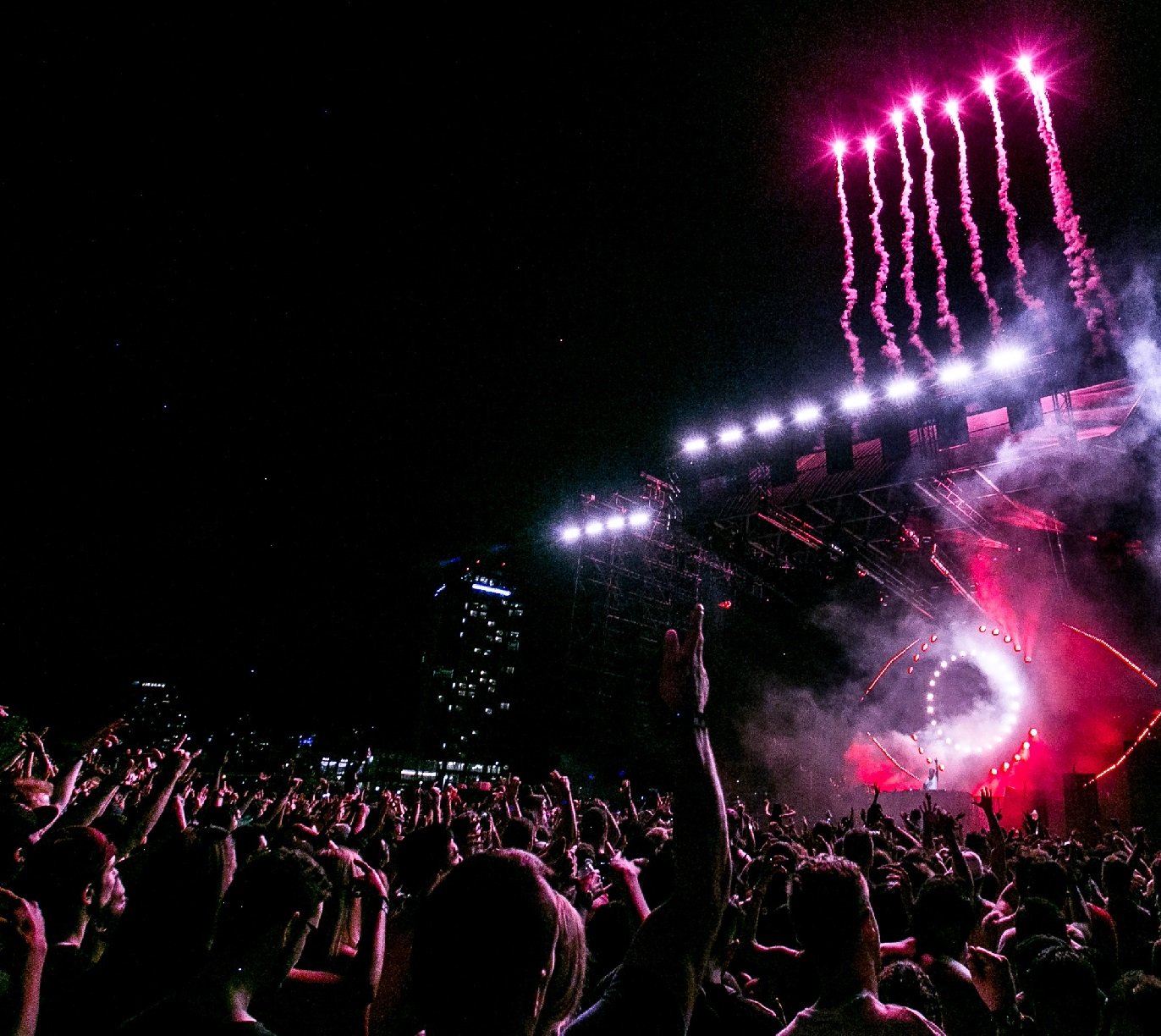
Introduction: When it comes to creating an unforgettable live performance, the spotlight isn't just on the DJ or artist. Behind the scenes, an unsung hero plays a crucial role in setting the mood, amplifying the energy, and captivating the audience lighting. In this blog post, we will explore how lighting design elevates the performances of famous DJs and artists, creating immersive experiences that leave a lasting impression. 1. Setting the Stage: Lighting design is an art form in itself. It establishes the visual atmosphere, transforming a venue into a dynamic space that complements the music. For famous DJs and artists, lighting professionals work meticulously to craft a unique visual identity that aligns with their brand. From vibrant colors and intricate patterns to synchronized light movements, the lighting design creates an alluring backdrop that captivates the crowd even before the first beat drops. 2. Enhancing Mood and Emotions: The right lighting has the power to manipulate emotions and create an immersive experience for the audience. DJs and artists often curate their performances to take the audience on a journey, and lighting plays a significant role in enhancing these emotional moments. Soft and warm lighting can evoke a sense of intimacy during heartfelt ballads, while bright and pulsating lights intensify the energy during peak moments of a high-energy set. By syncing the lighting with the music, lighting designers can heighten both the performer's and the crowd's emotions, creating a heightened collective experience. 3. Visual Performances: An exceptional lighting designer understands that their role isn't limited to illuminating the stage but rather becoming an integral part of the performance itself. By seamlessly integrating lighting effects with the artist's movements and music cues, lighting designers can transform the stage into a canvas, allowing the artist to curate a visual journey for the audience. These visual performances enhance the overall experience, blurring the boundaries between audio and visual art forms. 4. Dynamic Lighting Techniques: To keep up with the fast-paced nature of live performances, lighting designers employ various techniques to keep the visuals fresh and engaging throughout the show. These techniques range from simple yet effective techniques like changing colors, intensity, and spotlights to complex setups involving lasers, strobes, and moving lights. By combining these techniques with the artist's stage presence and music style, lighting designers can create a visually immersive experience that captivates the audience from start to finish. Conclusion: Lighting design is an often-underappreciated aspect of live performances for famous DJs and artists. However, these unsung heroes contribute significantly to the overall impact and success of a show. Through careful planning, innovative techniques, and a deep understanding of the performer's vision, lighting designers create an atmosphere that not only highlights the DJ or artist but elevates the audience's experience to new heights. So, the next time you find yourself at a concert, take a moment to appreciate the intricate dance between light and sound, for without it, the performance just wouldn't shine as brightly. To understand this better, read http://www.lumenwork.com Seeking answers? You might find them in http://www.alliancespot.com
Leave a Comment:
SEARCH
Recent News
- Zurich, Switzerland is a vibrant city known for its rich cultural scene and diverse music offerings. One unique aspect of Zurich's music scene is the presence of Sudanese music, which has found a home in the city's melting pot of cultures.
- Visiting Zurich, Switzerland, can be an enriching experience for music lovers from all corners of the world. While the city may not be the first place that comes to mind when thinking about South African music, Zurich's diverse music scene offers a glimpse into the vibrant sounds of this African nation.
- Zurich, Switzerland is a vibrant city known for its stunning architecture, picturesque landscapes, and rich culture. One aspect of Zurich's cultural scene that often goes under the radar is its regional music. The city and its surrounding areas are home to a diverse range of musical styles, reflecting the multiculturalism and artistic diversity of the region.
- Zurich, Switzerland: Discovering the Vibrant Norwegian Music Scene
- Zurich, Switzerland: A Hub for Estonian Music
- YouTube Content Creation and Translation: Bringing Sudanese Music to a Global Audience
- YouTube has become a powerful platform for content creators to share their work with a global audience. One area that has seen significant growth in recent years is the creation and translation of South African music content on the platform. South Africa has a rich and diverse musical landscape, ranging from traditional to modern genres, and YouTube has provided a space for South African artists to showcase their talent to the world.
- YouTube has become a popular platform for content creators to showcase their talents to a global audience. One area of YouTube content creation that has been gaining traction is regional music. With the ability to reach viewers all around the world, YouTube offers a unique opportunity for musicians and artists to share their culture and music with a diverse audience.
READ MORE
11 months ago Category :

Zurich, Switzerland is a vibrant city known for its rich cultural scene and diverse music offerings. One unique aspect of Zurich's music scene is the presence of Sudanese music, which has found a home in the city's melting pot of cultures.
Read More →11 months ago Category :

Visiting Zurich, Switzerland, can be an enriching experience for music lovers from all corners of the world. While the city may not be the first place that comes to mind when thinking about South African music, Zurich's diverse music scene offers a glimpse into the vibrant sounds of this African nation.
Read More →11 months ago Category :

Zurich, Switzerland is a vibrant city known for its stunning architecture, picturesque landscapes, and rich culture. One aspect of Zurich's cultural scene that often goes under the radar is its regional music. The city and its surrounding areas are home to a diverse range of musical styles, reflecting the multiculturalism and artistic diversity of the region.
Read More →11 months ago Category :
