A Guide to Hosting DJ Events and Festivals on Linux Networks
Category : | Sub Category : Posted on 2023-10-30 21:24:53
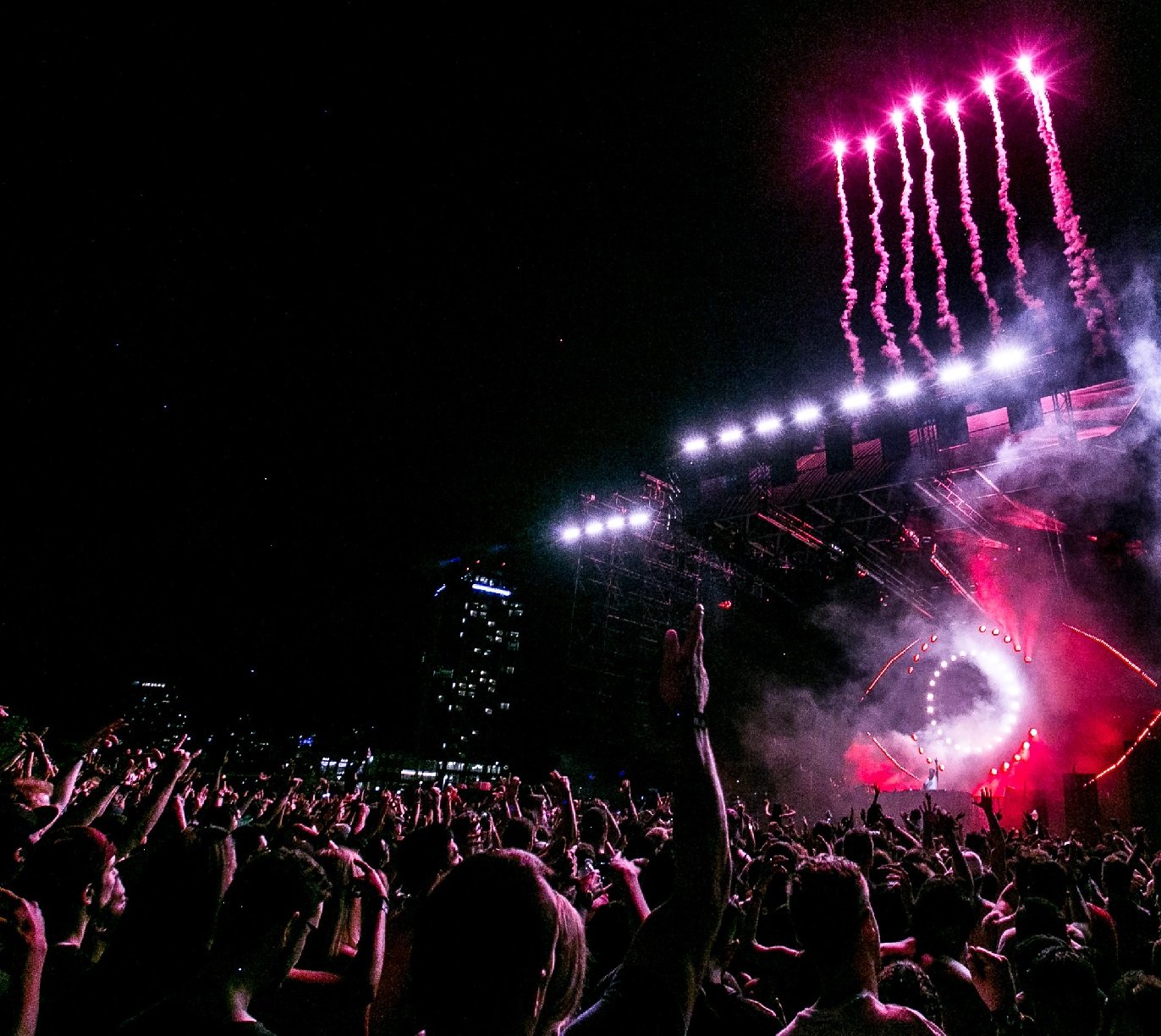
Introduction: As the demand for DJ events and music festivals continues to rise, event organizers are constantly on the lookout for cost-effective and efficient solutions to manage their network infrastructure. One such solution often preferred by tech-savvy organizers is Linux networks. In this blog post, we will explore how Linux networks can be successfully utilized for hosting DJ events and festivals, ensuring seamless connectivity, secure data transmission, and optimal performance. 1. Utilizing Linux for Network Management: Linux is well-regarded for its stability, flexibility, and robustness, making it an ideal choice for network management in DJ events and festivals. It offers various tools and utilities to handle network configuration, monitoring, and troubleshooting effectively. Network administrators can leverage Linux's command-line interface (CLI) to manage their networks efficiently, ensuring smooth operation throughout the event. 2. Secure Data Transmission: Data security is of paramount importance when it comes to hosting DJ events and festivals. Linux networks provide several built-in security features, including firewalls and encryption protocols, to safeguard sensitive information. Administrators can implement state-of-the-art security measures, such as IPsec (Internet Protocol Security), to encrypt network traffic and prevent unauthorized access or data breaches. 3. Load Balancing and Bandwidth Management: DJ events and festivals often attract a large number of attendees who rely heavily on the event's network for seamless connectivity. Linux networks offer load balancing capabilities, allowing organizers to distribute network traffic across multiple network interfaces. By evenly distributing the load, the network can handle a higher number of concurrent connections, ensuring everyone enjoys uninterrupted access to music streaming, social media, and other online services. 4. Open Source Collaboration: The Linux community thrives on open-source software and collaboration. Organizers can leverage this aspect to their advantage while managing the network infrastructure for DJ events and festivals. They can tap into a wide range of open-source network management tools and resources available online, ensuring cost-effectiveness without compromising on quality or performance. 5. Monitoring and Troubleshooting: To ensure a successful DJ event or festival, continuous monitoring and troubleshooting of the network infrastructure are essential. Linux networks offer powerful monitoring tools such as Nagios, Zabbix, or Icinga, which enable administrators to monitor network health, identify bottlenecks, and promptly troubleshoot any issues that may arise. This proactive approach ensures a smooth and uninterrupted experience for attendees and minimizes any potential downtime. 6. Scalability and Customizability: Linux networks are highly scalable and customizable, accommodating the varying needs of different DJ events and festivals. Whether it's a small-scale event or a massive music festival, Linux networks can adapt to the requirements. Administrators can easily scale up the network architecture, add more servers, or customize network settings as per the demands of the event. Conclusion: Linux networks offer event organizers a reliable, secure, and cost-effective solution for managing the network infrastructure at DJ events and festivals. Their stability, flexibility, and robustness make them a preferred choice for ensuring seamless connectivity, secure data transmission, and optimal performance. By leveraging the power of Linux networks, event organizers can focus on providing an unforgettable experience to their attendees while leaving the network management in capable hands. Here is the following website to check: http://www.droope.org For more information check: http://www.grauhirn.org
Leave a Comment:
SEARCH
Recent News
- Zurich, Switzerland is a vibrant city known for its rich cultural scene and diverse music offerings. One unique aspect of Zurich's music scene is the presence of Sudanese music, which has found a home in the city's melting pot of cultures.
- Visiting Zurich, Switzerland, can be an enriching experience for music lovers from all corners of the world. While the city may not be the first place that comes to mind when thinking about South African music, Zurich's diverse music scene offers a glimpse into the vibrant sounds of this African nation.
- Zurich, Switzerland is a vibrant city known for its stunning architecture, picturesque landscapes, and rich culture. One aspect of Zurich's cultural scene that often goes under the radar is its regional music. The city and its surrounding areas are home to a diverse range of musical styles, reflecting the multiculturalism and artistic diversity of the region.
- Zurich, Switzerland: Discovering the Vibrant Norwegian Music Scene
- Zurich, Switzerland: A Hub for Estonian Music
- YouTube Content Creation and Translation: Bringing Sudanese Music to a Global Audience
- YouTube has become a powerful platform for content creators to share their work with a global audience. One area that has seen significant growth in recent years is the creation and translation of South African music content on the platform. South Africa has a rich and diverse musical landscape, ranging from traditional to modern genres, and YouTube has provided a space for South African artists to showcase their talent to the world.
- YouTube has become a popular platform for content creators to showcase their talents to a global audience. One area of YouTube content creation that has been gaining traction is regional music. With the ability to reach viewers all around the world, YouTube offers a unique opportunity for musicians and artists to share their culture and music with a diverse audience.
READ MORE
9 months ago Category :

Zurich, Switzerland is a vibrant city known for its rich cultural scene and diverse music offerings. One unique aspect of Zurich's music scene is the presence of Sudanese music, which has found a home in the city's melting pot of cultures.
Read More →9 months ago Category :

Visiting Zurich, Switzerland, can be an enriching experience for music lovers from all corners of the world. While the city may not be the first place that comes to mind when thinking about South African music, Zurich's diverse music scene offers a glimpse into the vibrant sounds of this African nation.
Read More →9 months ago Category :

Zurich, Switzerland is a vibrant city known for its stunning architecture, picturesque landscapes, and rich culture. One aspect of Zurich's cultural scene that often goes under the radar is its regional music. The city and its surrounding areas are home to a diverse range of musical styles, reflecting the multiculturalism and artistic diversity of the region.
Read More →9 months ago Category :
