Exploring the Ontology of DJ Techniques in Electronic Music
Category : | Sub Category : Posted on 2023-10-30 21:24:53
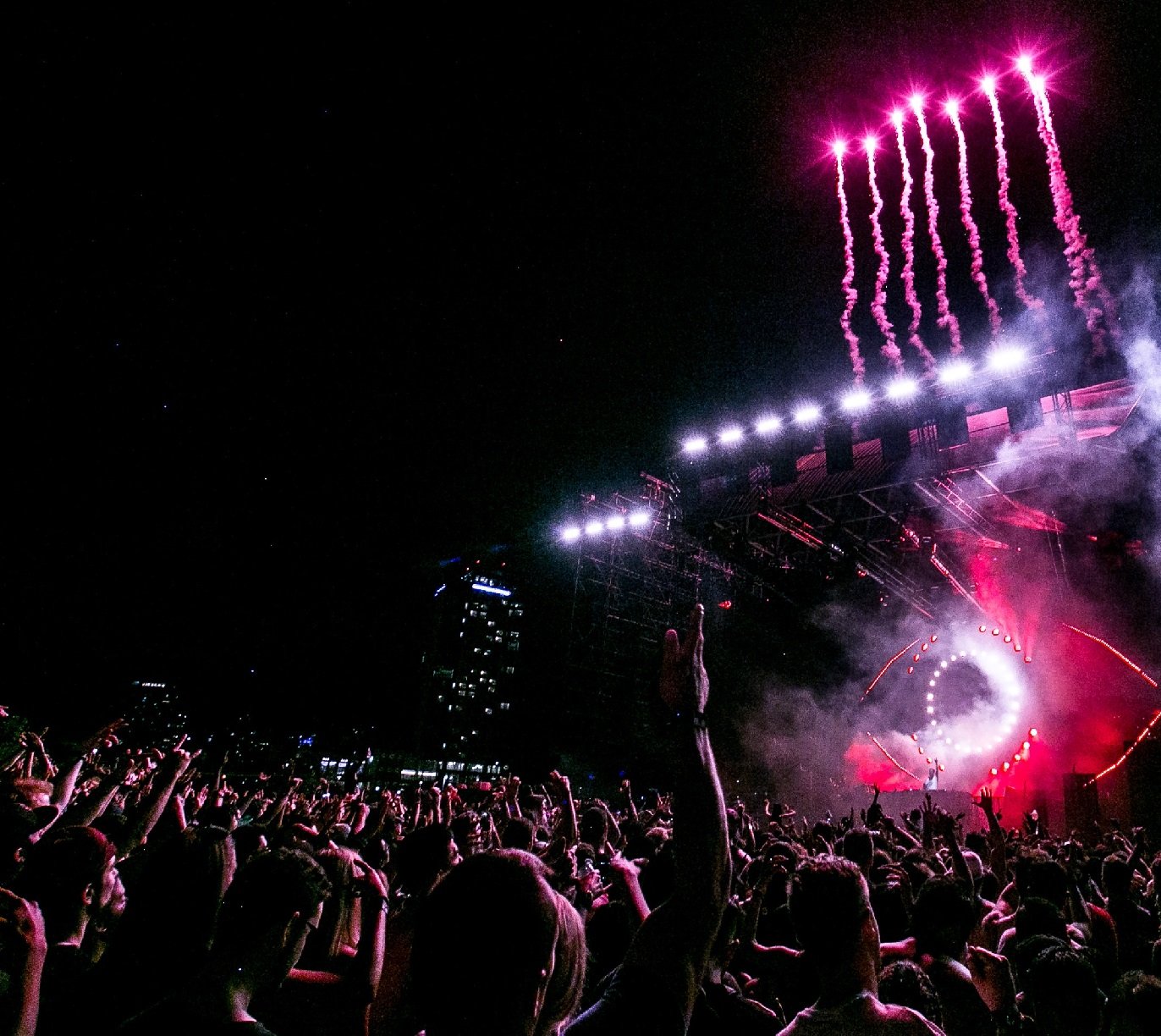
Introduction: Electronic music has become a global phenomenon, with its diverse subgenres captivating audiences around the world. Behind the beats and melodies lies a fascinating world of DJ techniques that drive the energy and creativity of the music. In this blog post, we will delve into the ontology of DJ techniques in electronic music, exploring the different elements that make up this art form. Defining DJ Techniques: DJ techniques refer to the various skills, methods, and strategies employed by disc jockeys to mix, blend, and manipulate different tracks in a seamless and artistic manner. These techniques are essential in creating a cohesive and engaging live performance or recorded mix. They involve aspects such as beatmatching, scratching, sampling, looping, and effects manipulation. 1. Beatmatching: Beatmatching is the backbone of DJing. It involves aligning the tempo and beats of two or more tracks to ensure a smooth transition between songs. This skill requires a keen ear for timing and a deep understanding of rhythm. Beatmatching allows DJs to seamlessly blend songs together, maintaining a consistent energy on the dancefloor. 2. Scratching: Scratching is a distinctive technique that involves moving a vinyl record back and forth against the stylus to produce rhythmic and percussive sounds. This technique originated from hip-hop culture and has since become a signature element in various electronic music genres. DJs utilize scratching to add flair and excitement to their mixes, creating dynamic and captivating moments. 3. Sampling: Sampling involves taking short sections of existing music and incorporating them into a DJ's mix or production. DJs can seamlessly blend samples from different tracks, genres, or eras, creating a unique sonic collage. Sampling provides DJs with a creative palette to experiment with, offering endless possibilities for recontextualizing and reinventing musical elements. 4. Looping: Looping is a technique that allows DJs to repeat a specific section of a track in a continuous loop. By isolating and repeating certain elements, DJs can extend the duration of a specific musical section or create repeating patterns for added emphasis. Looping is particularly useful for building tension and creating seamless transitions between tracks. 5. Effects Manipulation: Effects manipulation involves the use of various audio effects, such as reverb, delay, filters, and modulation, to manipulate the sound of individual tracks or the overall mix. DJs employ effects to add depth, texture, and interest to their sets, creating unique sonic landscapes and transforming the music in real-time. Conclusion: The ontology of DJ techniques in electronic music is a vast and evolving realm. Beatmatching, scratching, sampling, looping, and effects manipulation are just a few of the many techniques utilized by DJs to create captivating performances. These techniques require skill, intuition, and creativity, allowing DJs to curate unique musical experiences for their audiences. As electronic music continues to evolve, so do the techniques employed by DJs. New technologies and software advancements provide DJs with exciting possibilities for pushing the boundaries and taking their performances to new heights. So, next time you find yourself on a dancefloor, take a moment to appreciate the intricate artistry behind the DJ's craft. Each mix is a carefully curated selection of tracks, blended together using various techniques to create a cohesive and electrifying musical journey. for more http://www.borntoresist.com To delve deeper into this subject, consider these articles: http://www.svop.org also for More in http://www.coreontology.com also don't miss more information at http://www.qqhbo.com Seeking answers? You might find them in http://www.albumd.com Seeking more information? The following has you covered. http://www.mimidate.com Get a well-rounded perspective with http://www.keralachessyoutubers.com Have a look at http://www.cotidiano.org
Leave a Comment:
SEARCH
Recent News
- Zurich, Switzerland is a vibrant city known for its rich cultural scene and diverse music offerings. One unique aspect of Zurich's music scene is the presence of Sudanese music, which has found a home in the city's melting pot of cultures.
- Visiting Zurich, Switzerland, can be an enriching experience for music lovers from all corners of the world. While the city may not be the first place that comes to mind when thinking about South African music, Zurich's diverse music scene offers a glimpse into the vibrant sounds of this African nation.
- Zurich, Switzerland is a vibrant city known for its stunning architecture, picturesque landscapes, and rich culture. One aspect of Zurich's cultural scene that often goes under the radar is its regional music. The city and its surrounding areas are home to a diverse range of musical styles, reflecting the multiculturalism and artistic diversity of the region.
- Zurich, Switzerland: Discovering the Vibrant Norwegian Music Scene
- Zurich, Switzerland: A Hub for Estonian Music
- YouTube Content Creation and Translation: Bringing Sudanese Music to a Global Audience
- YouTube has become a powerful platform for content creators to share their work with a global audience. One area that has seen significant growth in recent years is the creation and translation of South African music content on the platform. South Africa has a rich and diverse musical landscape, ranging from traditional to modern genres, and YouTube has provided a space for South African artists to showcase their talent to the world.
- YouTube has become a popular platform for content creators to showcase their talents to a global audience. One area of YouTube content creation that has been gaining traction is regional music. With the ability to reach viewers all around the world, YouTube offers a unique opportunity for musicians and artists to share their culture and music with a diverse audience.
READ MORE
8 months ago Category :

Zurich, Switzerland is a vibrant city known for its rich cultural scene and diverse music offerings. One unique aspect of Zurich's music scene is the presence of Sudanese music, which has found a home in the city's melting pot of cultures.
Read More →8 months ago Category :

Visiting Zurich, Switzerland, can be an enriching experience for music lovers from all corners of the world. While the city may not be the first place that comes to mind when thinking about South African music, Zurich's diverse music scene offers a glimpse into the vibrant sounds of this African nation.
Read More →8 months ago Category :

Zurich, Switzerland is a vibrant city known for its stunning architecture, picturesque landscapes, and rich culture. One aspect of Zurich's cultural scene that often goes under the radar is its regional music. The city and its surrounding areas are home to a diverse range of musical styles, reflecting the multiculturalism and artistic diversity of the region.
Read More →8 months ago Category :
