Mastering DJ Techniques: A Comprehensive Guide to Self-Study in Music
Category : | Sub Category : Posted on 2023-10-30 21:24:53
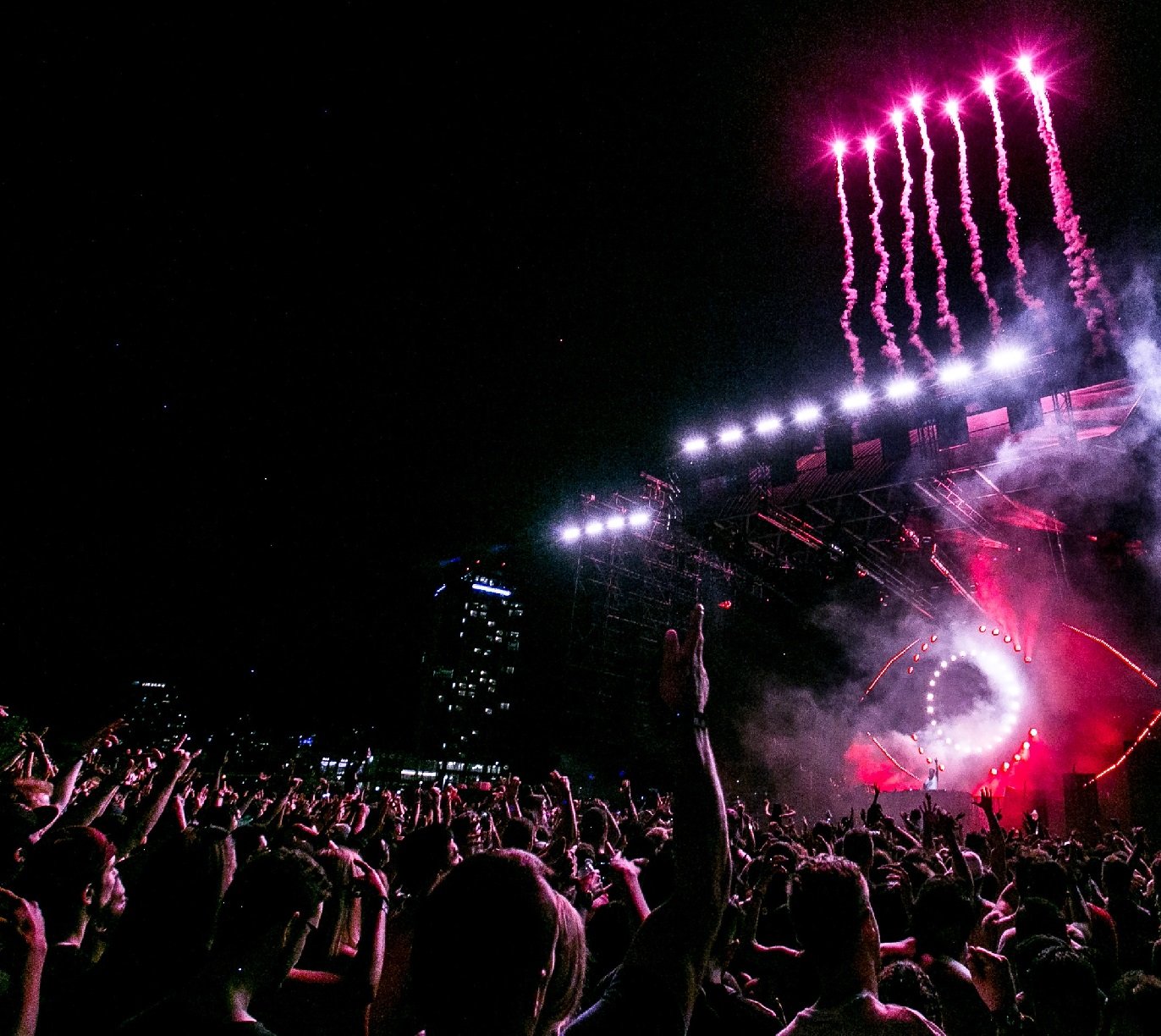
Introduction: Are you an aspiring DJ, eager to dive into the world of electronic music? Are you looking to develop your skills and take your DJing to the next level? Self-study is a fantastic way to learn DJ techniques and enhance your musical abilities. In this guide, we will explore various approaches and resources that can help you embark on a successful self-study journey in DJ techniques and music. 1. Set Clear Goals: Before you begin your self-study journey, it is important to establish clear goals. Ask yourself, what do you want to achieve as a DJ? Are you looking to master beatmatching, improve your mixing skills, or explore new genres and styles? Setting goals will provide you with focus and direction throughout your self-study process. 2. Build Your Foundation: Start by immersing yourself in the fundamentals of DJing. Familiarize yourself with the equipment, such as DJ controllers, mixers, and turntables. Learn the basics of beatmatching, phrasing, and song structure. Understanding these foundational elements will set you up for success as you progress. 3. Online Tutorials and Courses: The internet is filled with an abundance of valuable resources for self-study. YouTube tutorials, online courses, and DJing forums can serve as your virtual mentors. Seek out credible sources and tutorials from experienced DJs who share their knowledge and expertise. These platforms can provide step-by-step instruction, covering everything from basic techniques to more advanced skills. 4. Practice, Practice, Practice: Self-study requires disciplined practice. Dedicate regular time to hone your skills and experiment with different DJ techniques. Set up practice sessions where you can mix tracks, explore effects, and experiment with transitions. The more you practice, the more comfortable and confident you will become behind the decks. 5. Curate Your Music Library: As a DJ, your music library is your most valuable asset. Take the time to curate and organize your music collection. Explore different genres, artists, and labels to expand your musical repertoire. Create playlists based on mood, energy level, or specific occasions. Building a well-crafted music collection will enhance your DJ sets and help you connect with your audience. 6. Attend Workshops and Seminars: In addition to self-study, attending workshops and seminars can provide invaluable learning opportunities. Many DJ schools and music institutions offer workshops on specific DJ techniques, music production, and industry insights. These events allow for hands-on experience, networking with fellow DJs, and receiving feedback from industry professionals. 7. Record and Evaluate Your Mixes: Recording and evaluating your mixes is an essential practice for self-study. Recording your DJ sets allows you to analyze your performance objectively. Take notes on your strengths and areas for improvement. Listen to other professional DJs' mixes for inspiration and to gain insights into their techniques. Conclusion: Embarking on a self-study journey in DJ techniques and music can be both rewarding and challenging. With dedication, consistent practice, and a thirst for knowledge, you can develop the skills necessary to become a skilled DJ. Remember, self-study is a lifelong processcontinue to seek out new resources, attend workshops, and surround yourself with a community of fellow DJs. Embrace the art of self-study, and watch as your DJ techniques and musicality soar to new heights. Curious to learn more? Click on http://www.borntoresist.com For additional information, refer to: http://www.svop.org To get a better understanding, go through http://www.qqhbo.com For a detailed analysis, explore: http://www.albumd.com Visit the following website http://www.mimidate.com to Get more information at http://www.keralachessyoutubers.com Dive into the details to understand this topic thoroughly. http://www.cotidiano.org
Leave a Comment:
SEARCH
Recent News
- Zurich, Switzerland is a vibrant city known for its rich cultural scene and diverse music offerings. One unique aspect of Zurich's music scene is the presence of Sudanese music, which has found a home in the city's melting pot of cultures.
- Visiting Zurich, Switzerland, can be an enriching experience for music lovers from all corners of the world. While the city may not be the first place that comes to mind when thinking about South African music, Zurich's diverse music scene offers a glimpse into the vibrant sounds of this African nation.
- Zurich, Switzerland is a vibrant city known for its stunning architecture, picturesque landscapes, and rich culture. One aspect of Zurich's cultural scene that often goes under the radar is its regional music. The city and its surrounding areas are home to a diverse range of musical styles, reflecting the multiculturalism and artistic diversity of the region.
- Zurich, Switzerland: Discovering the Vibrant Norwegian Music Scene
- Zurich, Switzerland: A Hub for Estonian Music
- YouTube Content Creation and Translation: Bringing Sudanese Music to a Global Audience
- YouTube has become a powerful platform for content creators to share their work with a global audience. One area that has seen significant growth in recent years is the creation and translation of South African music content on the platform. South Africa has a rich and diverse musical landscape, ranging from traditional to modern genres, and YouTube has provided a space for South African artists to showcase their talent to the world.
- YouTube has become a popular platform for content creators to showcase their talents to a global audience. One area of YouTube content creation that has been gaining traction is regional music. With the ability to reach viewers all around the world, YouTube offers a unique opportunity for musicians and artists to share their culture and music with a diverse audience.
READ MORE
9 months ago Category :

Zurich, Switzerland is a vibrant city known for its rich cultural scene and diverse music offerings. One unique aspect of Zurich's music scene is the presence of Sudanese music, which has found a home in the city's melting pot of cultures.
Read More →9 months ago Category :

Visiting Zurich, Switzerland, can be an enriching experience for music lovers from all corners of the world. While the city may not be the first place that comes to mind when thinking about South African music, Zurich's diverse music scene offers a glimpse into the vibrant sounds of this African nation.
Read More →9 months ago Category :

Zurich, Switzerland is a vibrant city known for its stunning architecture, picturesque landscapes, and rich culture. One aspect of Zurich's cultural scene that often goes under the radar is its regional music. The city and its surrounding areas are home to a diverse range of musical styles, reflecting the multiculturalism and artistic diversity of the region.
Read More →9 months ago Category :
